
Where Can You Put Your Tiny Home (And How to Find the Right Spot)
Jan 15, 2026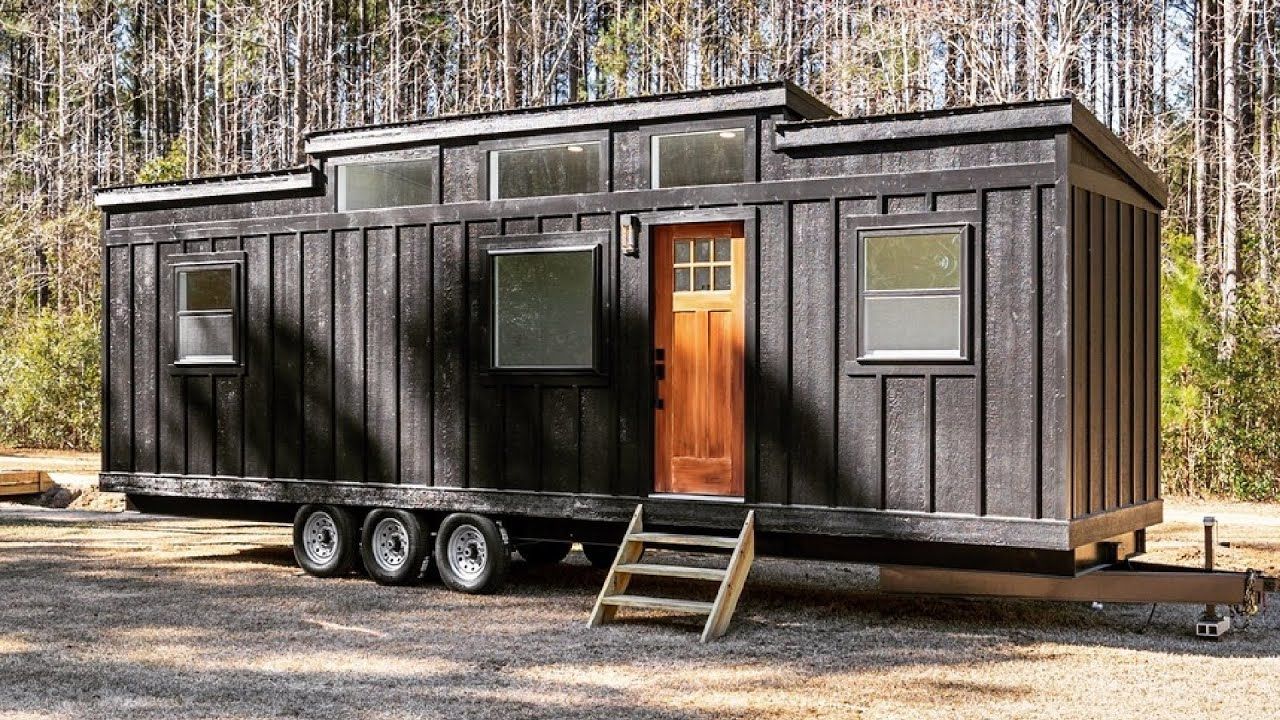
One of the first questions people ask when they start thinking about tiny homes is:
“Okay, but where am I actually going to put it?”
And that’s a great question — because where you want to live (or use your tiny home) usually guides what type of tiny home you should get.
Tiny Home Location Options
For many people, the location comes down to how you plan to use the tiny home:
Tiny Homes on Wheels (THOWs or RV Tiny Homes)
If your tiny home has wheels and is built more like a recreational vehicle (RV), that gives you some flexibility — but also some limitations.
You can often find space in:
- RV Parks and Campgrounds — Seasonal or full-season spots with hookups are common. RV parks have been around for ages and are a known place for mobile living, even though tiny homes can blur the lines between a recreational trailer and a permanent home.
- Modular Home or Tiny Home Communities — These are communities specifically geared toward small homes or RV-style living, sometimes with shared amenities and support.
- Pads on Farms or Acreages — Some property owners lease not just fields but designated tiny home pads — spots where your home can sit with utilities waiting or easily added. You’ll find lots of these listings in tiny home groups and forums online.
Keep in mind: in most municipalities a tiny home on wheels is still an RV by definition, so you usually won’t get a traditional residential building permit for it — unless local bylaws have specifically changed to allow it (which has happened in places with housing shortages, like parts of the Yukon)
Park Model Communities or Resorts
Park model homes are often used in:
- Mobile Home Parks — These established communities rent out lots much like RV parks, sometimes with the option to bring your own home.
- Resort or Seasonal Communities — Especially near lakes, hiking areas, parks, or vacation regions, you’ll find park model pads for year-round or seasonal stays.
Some communities will allow extended stays or even year-round living depending on zoning and how strict the park rules are.
Modular Tiny Homes (Permanent or Semi-Permanent)
If your goal is a true home — something installed on a foundation or stable supports and tied into utilities — this usually means you’re working with:
- Your Own Land
Buying a residential lot means you have total control. You own the ground and the home. Zoning for dwellings is usually clear-cut, and you can build or place a modular tiny home with the right permits. - Subdivided Lots or Vacant Parcels
Smaller parcels that are already zoned for residential use are perfect for modular tiny homes. You’ll need to check setbacks, utility access, and building permits — but once approved, it’s treated like any other home site. - Secondary Suites / Backyard Suites
A modular tiny home can also be a secondary suite (or ADU) on your existing property — this means building a dwelling in your backyard to create rental income or multigenerational living space. Secondary suites can boost property value, generate revenue, and keep families close with privacy and independence
How to Actually Find Land or Pads
Finding the right place isn’t always as simple as “looking for land.” Here are some practical tips people use:
- Facebook Groups & Tiny Home Communities
There are tons of places where landowners list tiny-home-friendly sites for lease or rent — and spots inside tiny home community pages where people share available pads or lots. These groups are goldmines for discovering opportunities you won’t see on real estate listings . - Community Listings & Marketplaces
Some online marketplaces and apps focus on tiny home land or spaces that are tiny-home friendly — with filters for zoning, water access, and more. - RV Parks & Campgrounds
Sometimes the simplest search is to look for year-round RV parks or campgrounds with long-term site rentals — just be sure you understand their rules around permanent living. - Private Land Lease Agreements
Instead of buying land outright, you can negotiate a lease directly with a landowner. Land lease options let you own your tiny home while leasing the land it sits on, which can be a lot more affordable for many people and give you flexibility without a huge upfront cost . Land leases are common in Ontario and other provinces — and they are a real path for tiny home owners who want to live legally without buying property outright .
Who Can Actually Help You Find Land (and What They Can’t Do)
Let’s get one thing straight: just because someone sells land doesn’t mean they understand tiny homes. A typical realtor is fantastic at finding properties — especially if you’re buying land for a cottage, cabin, or full-size house. But most realtors do not specialize in tiny homes, tiny home placement, zoning, or municipal nuances around ADUs, RVs, park model sites, or modular installations. That means they can show you beautiful acreage … and leave you hanging when it comes to whether a tiny home is actually permitted there.
So here’s the smart way to tackle a land search:
- Realtors are great for finding property — but due diligence is on YOU.
A realtor will help you locate that slice of paradise and negotiate price — but they won’t automatically check whether bylaws allow the kind of tiny home you want. If you’re looking at land without an existing house and plan to put something on it, you can absolutely start with a realtor — just be prepared to do the next steps yourself before you commit.
Before you finalize a purchase, you’ll want to dive into the Land Use Bylaw for that municipality. Look for things like:
- Minimum square footage requirements — some places still have older rules that require dwellings to be a certain size. (Note: Ontario updated its rules to remove minimum sq. ft. bylaws to help with housing shortages, though you still need permits and zoning compliance)
- Zoning designations for modular or manufactured homes — many areas only allow them in specific zones or communities, or they require a specific permit process .
- Secondary dwelling allowances — if the property already has a home, check whether detached accessory dwelling units (ADUs) or backyard suites are permitted — often a much easier path than trying to permit a standalone tiny home on vacant land
If you skip this step and assume any residential lot will automatically allow a tiny home — especially a modular dwelling or backyard suite — you might end up with a land purchase you can’t actually build on. Not ideal.
- Municipal planning staff are your secret weapon.
If there’s one group that truly knows what is and isn’t allowed, it’s the planning department at your local municipality. They can tell you whether tiny homes or ADUs are permitted on your property, whether variances might be required, and what your permit process will actually look like. A quick “pre-consultation” with planning can save you months of confusion and a lot of heartbreak. - If you’re adding a secondary dwelling, frame it right.
Tiny homes get a bad rap with non-specialists. Instead of saying “tiny home” when you walk into city hall or talk to a planner, use terms they recognize: small square footage dwelling, ADU, backyard suite, or secondary dwelling unit. Municipalities are far more comfortable with official terminology — and that’s often the terminology in the Land Use Bylaw you’re researching anyway.
For example, in Ontario you can now, in many areas, build multiple dwelling units on a single residential lot, including detached backyard suites, under changes to the Planning Act and Bill 23 — provided zoning allows it.
The Real Difference:
Realtors help you find land. Planners help you use it properly.
Both are important — but tiny home living requires you to speak both languages. Start with a realtor if you want land, but don’t stop there. Follow that up with zoning research, conversations with planners, and clarity around how your particular type of tiny home fits into the local rules.
If you want more detail on zoning, terminology, and how tiny homes really fit into these bylaws, check out our FAQ page for modular tiny homes here.
Things to Think About Before You Commit
No matter which route you go, there are a few key things to cover before you move in:
- Zoning Laws — Rules vary widely by municipality. Some places welcome tiny homes as primary residences, others only allow them as RVs or secondary units. Always check with planning departments. Decide what you are comfortable with personally.
- Utilities & Access — Does the location have sewer, water, electrical access — or will you need to install them?
- Lease Terms — If you’re leasing land, understand the terms: length of lease, renewals, responsibilities of landlord vs tenant, and any fees.
Next Steps: Plans & Designs
Once you’ve got a sense of where you’d like to live, the next step is picking a plan that fits that lifestyle. Here are a couple of great places to start:
- Explore modular plans built for residential or backyard living
- Check out our tiny home RV and park model designs
Whether you’re targeting a seasonal RV pad, a leased tiny home community space, or buying your own land for a modular dwelling, Teacup can help you match the right design to the right location.
So... What's Next?
You can keep scrolling Instagram for dreamy tiny homes, or you can start designing one with us. If you’re curious about what’s possible, here are your next steps:
✅ Explore our floorplans here →
✅ Build a tiny home estimate →
✅ Book a Discovery Call and let’s chat →
We’ve been building for folks across Canada since 2016, and we’d love to help you take the leap. Whether you’re ready to go full Teacup or just want to explore ideas—our team is here with no pressure, just support.
Let’s make 2026 your tiny home year.
We’ll see you soon,
Jen & The Teacup Team
