
The Benefits of Going Tiny in 2026
Dec 26, 2025
Tiny homes don’t have to be confusing—but the internet sure makes it that way.
You've seen them on HGTV. You've been served an ad on Instagram for “off-grid dream cabins.” And now, every time you open Instagram, there’s a new version of a “tiny home” staring back at you.
But when you start peeling back the layers, things get murky fast. Some have wheels. Some are permanently on foundations. Some are barely bigger than a van. Others are full-on houses—just shrunken down. So what the heck is a tiny home?
That’s what we’re here to unpack.
At Teacup, we’ve been building tiny homes across Canada since 2016, and we’re going to clear up the confusion and show you how this lifestyle shift might just be the best thing you do in 2026.
What Is a Tiny Home, Really?
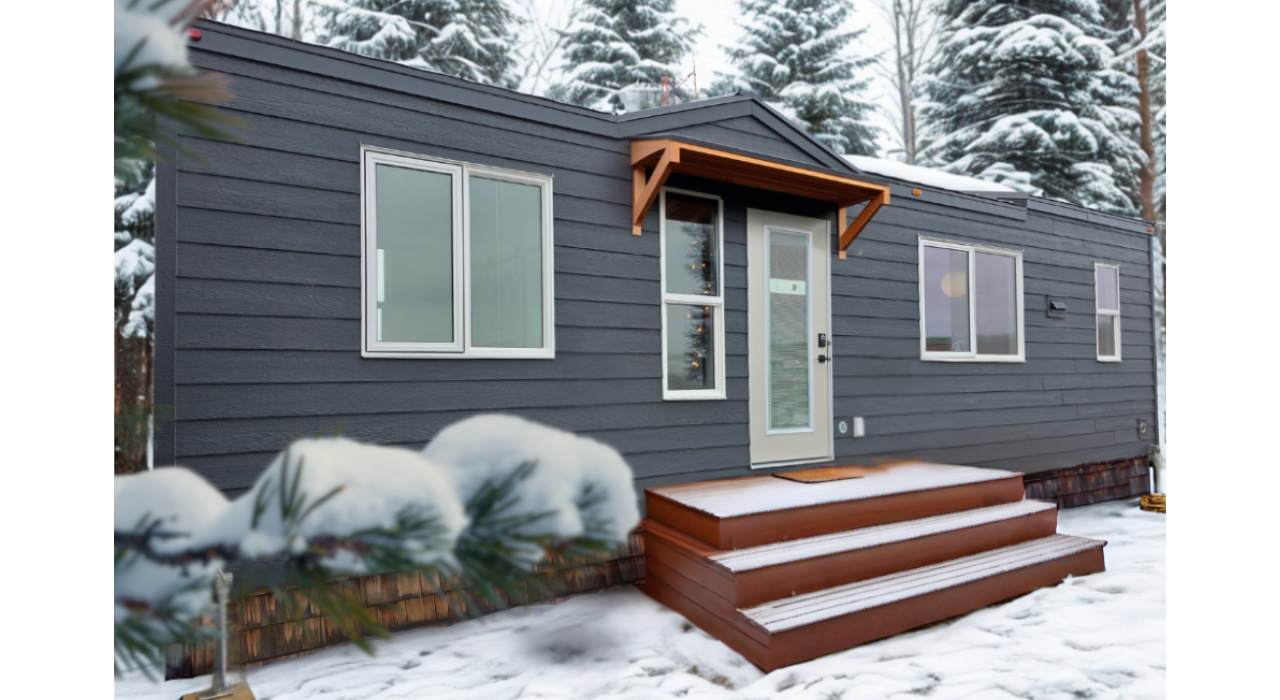
There’s no one-size-fits-all definition in the building code. But generally speaking, a “tiny home” is a small, intentionally designed space under 400–500 sq. ft. It's created for simplicity, functionality, and a lower environmental and financial footprint.
But here’s where it gets tricky: it could be…
-
A certified RV on wheels, meant for travel or recreational use
-
A Park Model home—think RV but wider (over 8.5 ft), which requires a permit to tow
-
A modular dwelling—a professionally built, factory-certified home installed permanently on a foundation or screwpiles
And those are just the main categories. A tiny home could also mean a chic studio apartment, a minimalist cabin on an acreage, or a backyard suite designed for your aging parents or adult children.
Want a full breakdown of all the tiny home types? Click here to learn more →
Why Knowing the Difference Matters
Here’s the deal: when you're chatting with your local development officer, an insurance broker, or a lender, tossing around the term “tiny home” isn’t specific enough.
If you say "tiny home," they might picture an RV with boho curtains, not a permanent secondary dwelling that needs permitting and sewer hookups. And that can lead to serious miscommunication and wasted time.
Knowing the exact type—RV, Park Model, or Modular Dwelling—helps you:
-
Get accurate permits and approvals
-
Secure insurance without confusion
-
Access the right financing options
-
Plan your site prep correctly
-
Build something that will last (and be legal)
How Can a Tiny Home Improve Your Life in 2026?
Let’s talk about what it actually looks like to go tiny. Spoiler alert: it’s not about sacrifice. It’s about expansion. Of freedom, of connection, of time.
1. Less House, Less Hustle
A smaller footprint means less to clean, less to maintain, and fewer trips to IKEA to fill up empty rooms. But here’s the kicker—this simplicity actually adds to your life.
When you’re not maintaining a monster home or spending weekends “just organizing the garage,” you can actually live. Studies show that reducing material possessions and choosing simplicity leads to higher levels of happiness and well-being.
Source: Psychology Today - Minimalism & Mental Health
2. Backyard Suites = Generational Wealth + Family Harmony
Imagine this:
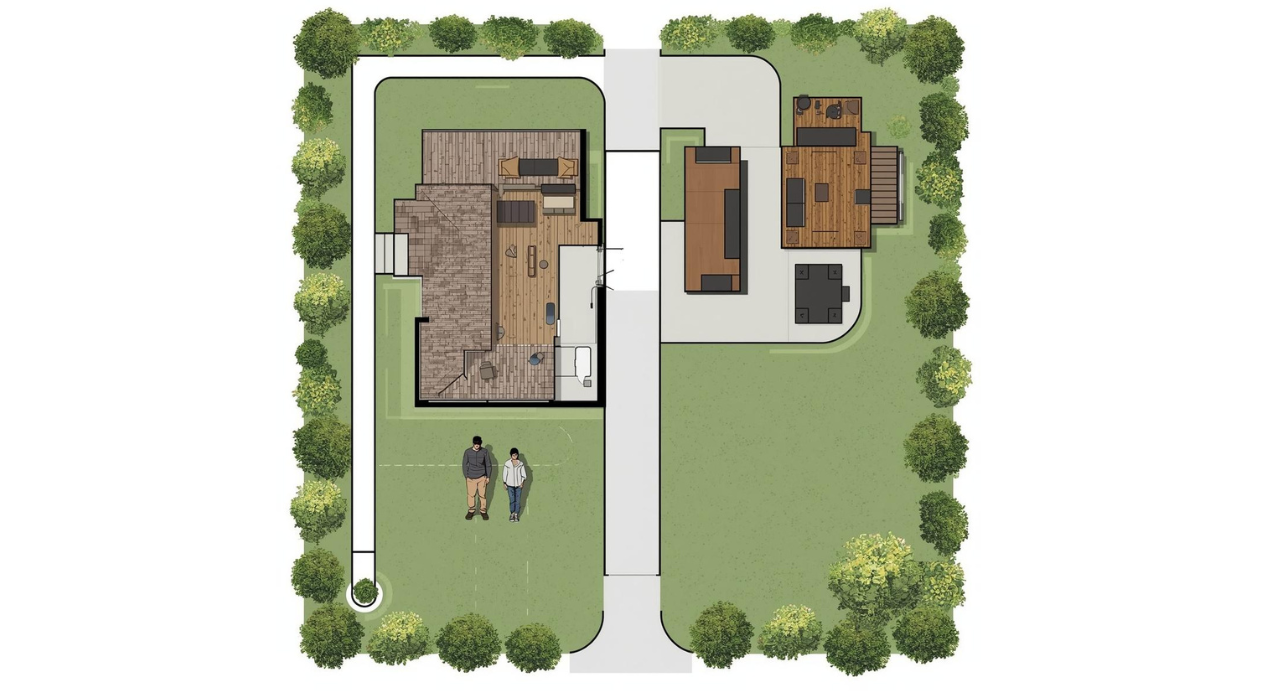
Your parents have a big lot, almost paid off. You’re a grown adult trying to make things work in today’s economy. Instead of blowing your savings on rent, your family installs a Teacup modular home as a legal backyard suite. You move in.
A few years later, you start a family. Your parents move into the Teacup, and you take over the main house. The kids get to grow up with grandparents around, and you get built-in support and connection.
This isn’t a pipe dream. It’s happening right now with our clients across Alberta.
Studies show that multi-generational families experience better mental health outcomes, shared resources, and deeper emotional support.
Source: Pew Research Center - Multigenerational Living
Whether it’s in a cozy 340 sq. ft. Mae model tucked in the backyard, or a 3-bedroom Arlowe that lets you future-proof for family growth, we’ve got options. And yes, we customize floorplans too.
3. The Cost: Let’s Be Real
If you see a professionally built “tiny home” for $100K or less on the internet, run. That’s probably not a legal dwelling, and it’s definitely not built to Canadian climate standards. -> Check out tiny home pricing here
Our modular tiny homes are CSA A277 certified, built in a factory, and meant to be lived in full-time. These aren’t cabins that need constant upkeep or trailers that leak after one winter.
We’re not saying it’s dirt cheap—but we are saying it’s worth it. Not only can you finance a Teacup tiny home through personal loans, HELOCs, or even mortgages (depending on the setup), but you’re also investing in a solution that can generate income, build equity, and give your family more options.
Plus, the Canadian Government currently offers grants for secondary suites in some areas. Reach out and we’ll walk you through what’s available and how it could offset costs. Learn more about the program here.
4. Health, Lifestyle & the Outdoor Factor
When you shrink your space, you expand your life.
Most Teacup owners spend more time outdoors, walking trails, hanging out with neighbors, or exploring their local communities. There’s something about cozy interiors that push us into vibrant exteriors.
And guess what? Active lifestyles are strongly linked to better sleep, mood, cardiovascular health, and longevity.
Source: Mayo Clinic - Benefits of Physical Activity
So whether you’re simplifying for wellness, financial reasons, or just want a change—you’ll find more than just square footage inside a Teacup.
So... What's Next?
You can keep scrolling Instagram for dreamy tiny homes, or you can start designing one with us. If you’re curious about what’s possible, here are your next steps:
✅ Explore our floorplans here →
✅ Build a tiny home estimate-->
✅ Book a Discovery Call and let’s chat →
We’ve been building for folks across Canada since 2016, and we’d love to help you take the leap. Whether you’re ready to go full Teacup or just want to explore ideas—our team is here with no pressure, just support.
Let’s make 2026 your tiny home year.
We’ll see you soon,
Jen & The Teacup Team
